Clean, salvage, rebuilt: reading a title brand before you bid
What each title brand actually means, what it does to insurability and resale, and the three things to check on a branded-title vehicle at inspection.
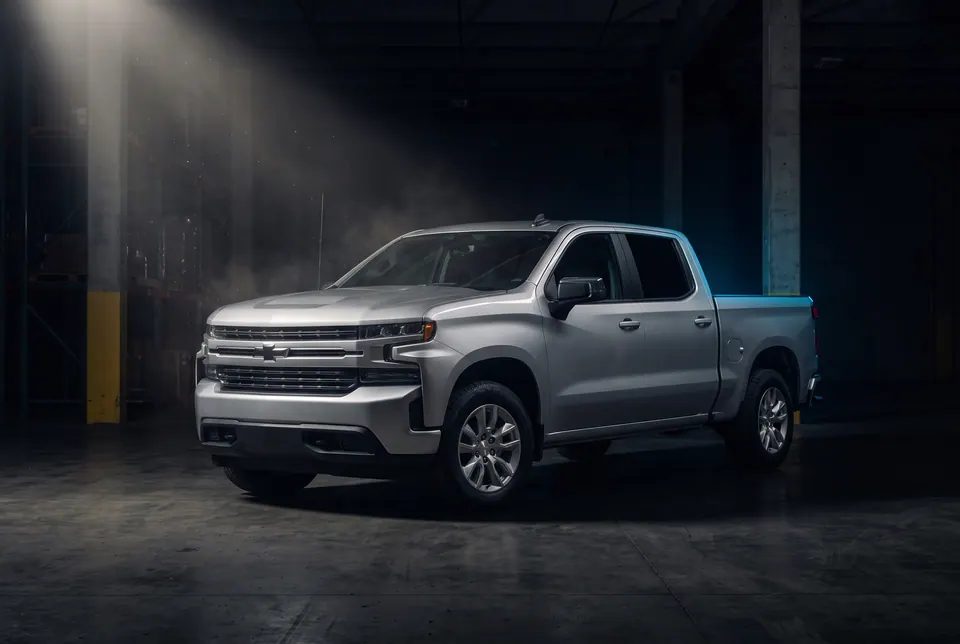
Roughly one vehicle in six that crosses our floor carries a branded title, and roughly one bidder in six has not fully worked out what that means for them. The brand is permanent, it follows the VIN across state lines, and it is the single largest factor in what the vehicle is worth on the day you come to sell it.
The brands
What a brand costs you
A rebuilt title typically knocks 20–40% off retail value against an equivalent clean-title vehicle, and that discount does not go away with time or mileage. Some insurers will not write comprehensive coverage on a rebuilt vehicle at all; most that do will write it at actual cash value with the brand priced in.
This is not a reason to avoid branded titles. It is a reason to bid a number that reflects them. A rebuilt truck at 45% of clean-title money can be an excellent buy. The same truck at 85% is a mistake you will discover in three years.
Three things to check at inspection
- Panel gaps and paint edges along the repaired quarter. Consistent gaps and a hard paint line at a panel edge mean somebody did the job properly; wandering gaps and overspray on the weatherstrip mean they did not.
- The frame rails and the radiator support. Front-end collisions are the most common salvage cause and the support is where a shortcut shows. Look for kinks, weld spatter and mismatched fasteners.
- The VIN plate against the door sticker against the title. All three, every time. It takes ninety seconds and it is the check that catches the problems nobody wants to find at the DMV.
We state the brand on every titled lot, in the specification table and again in the description, and we photograph the title itself. If a lot page does not say the brand, ask before you bid — do not assume clean.
Odometer disclosure
Separate from the brand and equally important. A reading disclosed as "not actual" or "exceeds mechanical limits" is a different vehicle, commercially, from one disclosed as actual. We record the disclosure exactly as it appears on the title and we do not round it, soften it, or leave it off.
This is a demonstration site. Bidding Floor, its staff, its lots and every figure quoted in this article are fictional, and nothing here is legal, tax or financial advice.